Your First Step to Experiencing Ladakh the Right Way
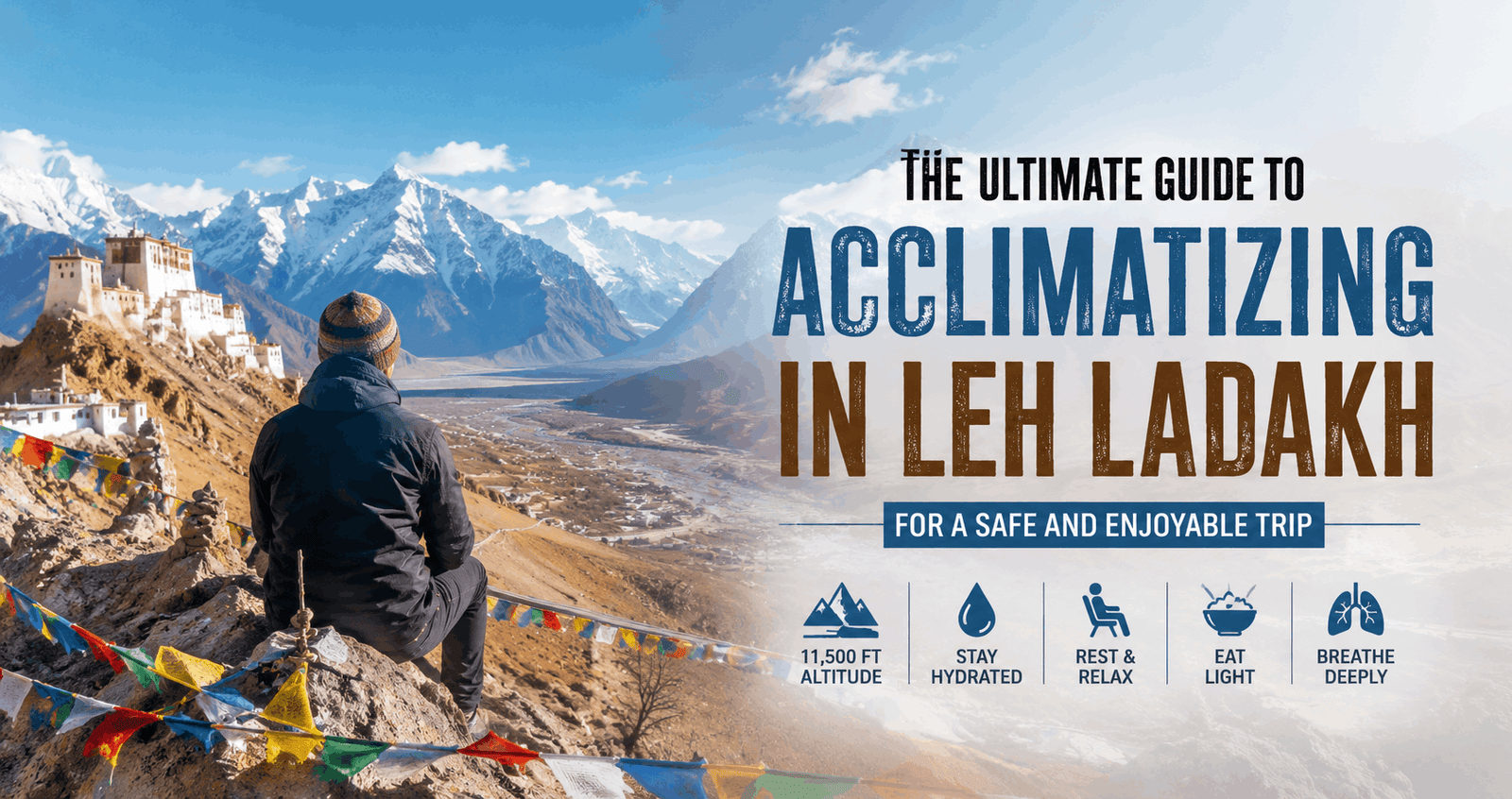
Ladakh is a destination unlike any other. With its dramatic mountain passes, crystal-clear lakes, ancient monasteries, and breathtaking landscapes, it attracts travelers from around the world. However, before you begin exploring the beauty of this high-altitude paradise, there is one crucial factor you must understand — acclimatization.
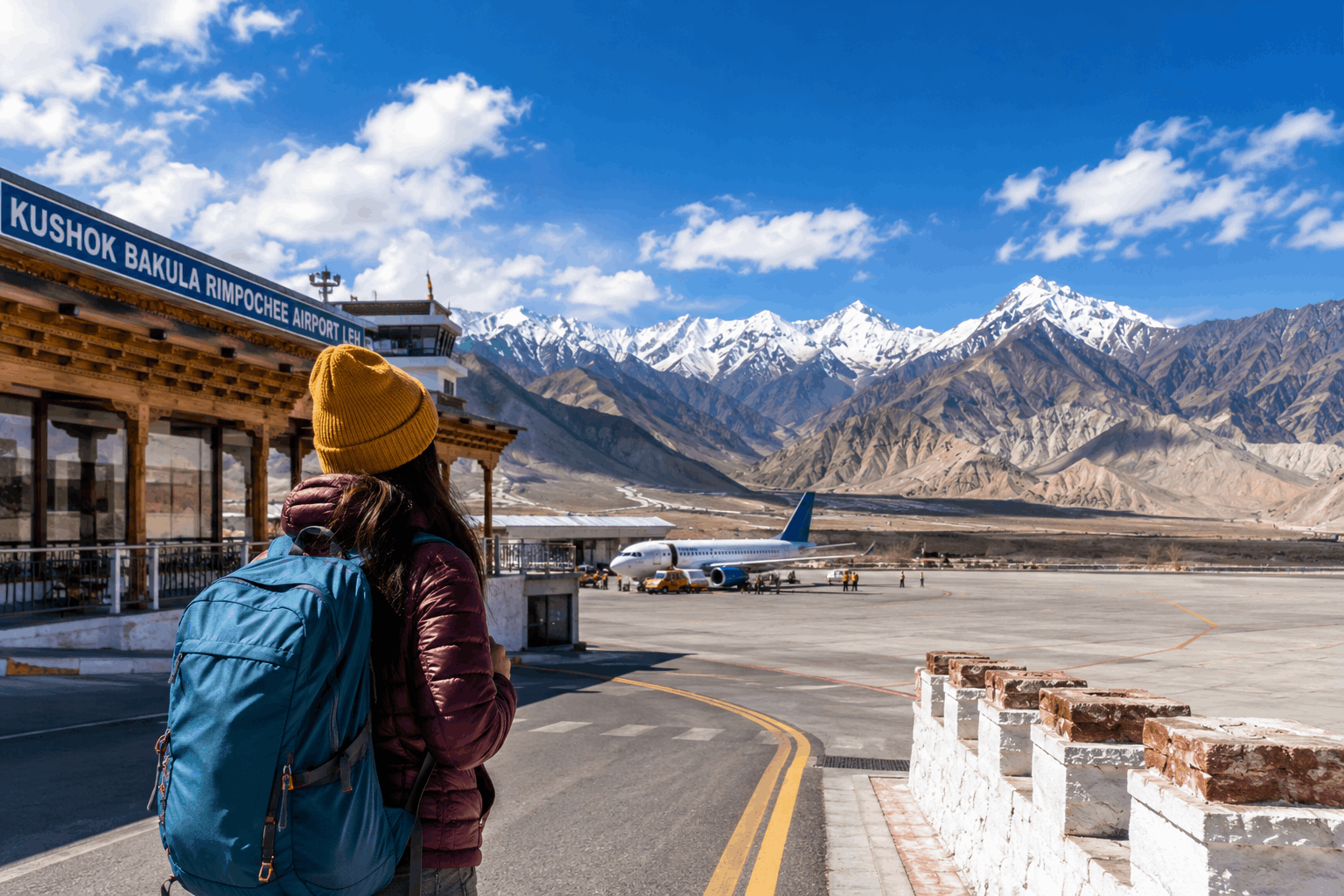
Located at an altitude of approximately 11,500 feet above sea level, Leh has significantly lower oxygen levels compared to most cities. Proper acclimatization is essential to ensure a safe, comfortable, and enjoyable journey.
At Leh Ladakh Journey, we believe that a well-prepared traveler enjoys Ladakh to the fullest. This comprehensive guide will help you understand why acclimatization matters and how to adjust to Ladakh’s high-altitude environment effectively.
Why Acclimatization is Essential for Every Ladakh Traveler?
The moment you arrive in Leh, your body begins adapting to lower oxygen levels. Since oxygen concentration decreases with altitude, travelers may experience discomfort if they ascend too quickly without giving their bodies enough time to adjust.
Proper acclimatization helps your body gradually adapt to the high-altitude environment and significantly reduces the risk of altitude-related illnesses.
Whether you’re visiting Ladakh for adventure, sightseeing, photography, or spiritual exploration, acclimatization should be your top priority during the first few days of your trip.
Understanding Altitude Sickness in Leh Ladakh
Altitude sickness, also known as Acute Mountain Sickness (AMS), can affect anyone regardless of age or fitness level. Even healthy travelers can experience symptoms when they ascend rapidly to high altitudes.
Common Symptoms of AMS Include:
- Headache
- Dizziness
- Fatigue
- Nausea or vomiting
- Shortness of breath
- Loss of appetite
- Difficulty sleeping
These symptoms are usually mild and improve with proper rest and hydration. However, severe symptoms require immediate medical attention.
The First 48 Hours in Leh: What You Should and Shouldn't Do
The first two days are the most important part of your Ladakh journey. This period allows your body to adapt naturally to the altitude.
What You Should Do
1. Rest Completely on Arrival
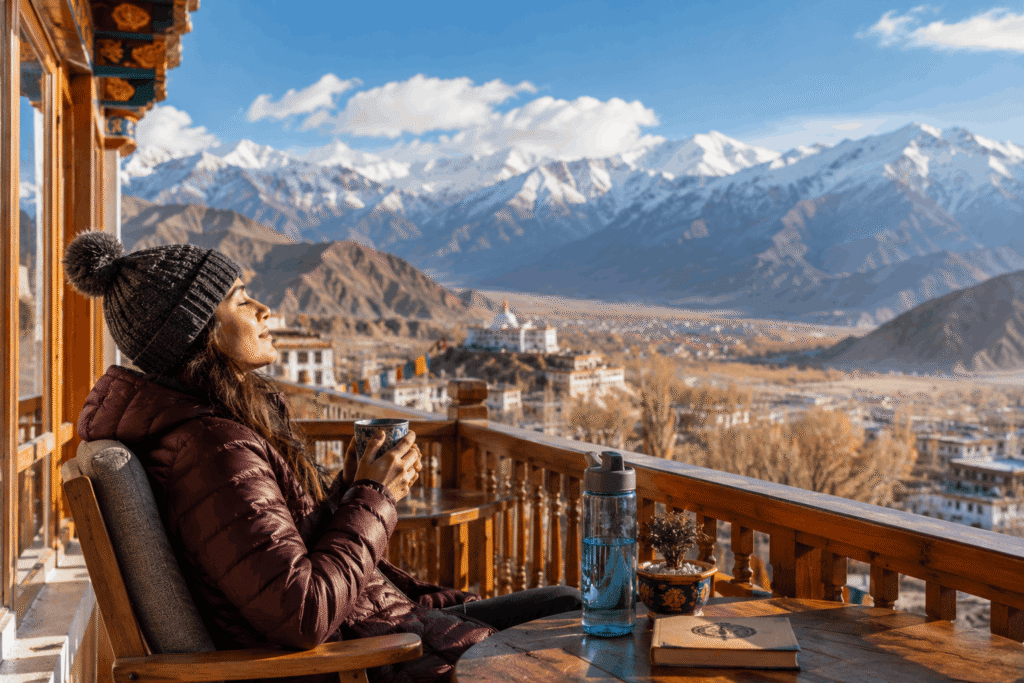
Whether you arrive by flight or road, take it easy on your first day. Relax at your hotel and avoid unnecessary physical activities.
2. Eat Light and Nutritious Meals
Choose simple, warm, and easily digestible foods rather than heavy or oily meals.
3. Get Adequate Sleep
Allow your body sufficient time to recover and adapt naturally.
What You Should Avoid
1. Avoid Strenuous Activities
Do not trek, run, cycle, or engage in intense physical activity during the first 24–48 hours.
2. Avoid Alcohol and Smoking
Alcohol and tobacco can worsen dehydration and slow down acclimatization.
3. Avoid Overeating
Heavy meals may cause discomfort while your body is adapting to the altitude.
4. Avoid Traveling to Higher Altitudes Immediately
Resist the temptation to visit Pangong Lake, Nubra Valley, or Khardung La on the day of arrival.
The Ideal Acclimatization Plan for a Leh Ladakh Trip
A well-planned itinerary can make a significant difference in your overall experience.
Day 1: Arrive in Leh and Rest
Spend the entire day relaxing at your hotel. Take short walks only if you feel comfortable.
Day 2: Explore Leh Locally
Visit nearby attractions such as:
- Shanti Stupa
- Leh Palace
- Hall of Fame
- Local Market
- Sankar Monastery
These locations allow gradual exposure to the altitude without excessive physical exertion.
Day 3 Onwards: Begin High-Altitude Excursions
Once properly acclimatized, you can comfortably explore:
- Nubra Valley
- Pangong Lake
- Tso Moriri
- Hanle
- Khardung La Pass
Hydration: Your Best Defense Against Altitude Challenges
One of the simplest and most effective ways to acclimatize is by staying hydrated.
At high altitudes, the body loses water more quickly due to increased breathing and dry air. Dehydration can intensify symptoms of altitude sickness.
Recommended Hydration Tips:
- Drink 3–4 liters of water daily
- Carry a reusable water bottle
- Consume warm fluids regularly
- Include soups and herbal teas in your diet
- Avoid excessive caffeine intake
Proper hydration supports oxygen circulation and helps your body adapt more efficiently.
Foods That Support Better Acclimatization
Nutrition plays an important role in helping your body adjust to high altitudes.
Best Foods to Eat in Leh Ladakh
- Fresh fruits
- Vegetables
- Soups
- Rice dishes
- Whole grains
- Light protein-rich meals
Foods to Limit Initially
- Deep-fried foods
- Heavy curries
- Excessively spicy dishes
- Processed foods
Eating light reduces stress on your digestive system and helps conserve energy for acclimatization.
Essential Medicines and Travel Essentials to Carry
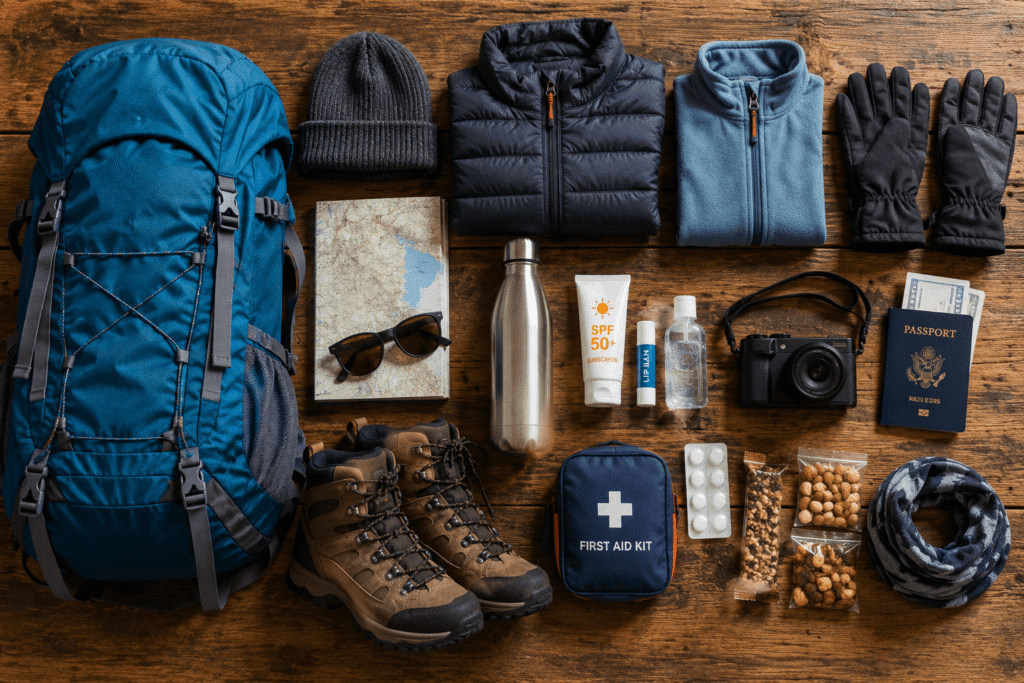
Before traveling to Ladakh, consult your doctor regarding altitude-related medications.
Important Items to Pack
- Personal medications
- Basic first-aid kit
- Reusable water bottle
- Sunscreen SPF 50+
- Lip balm
- Sunglasses
- Warm clothing
- Portable oxygen can (optional)
Having the right essentials ensures a smoother and more comfortable journey.
Special Acclimatization Tips for Families and Senior Travelers
Families traveling with children and senior citizens can enjoy Ladakh safely by taking extra precautions.
For Senior Travelers
- Move slowly and avoid overexertion
- Follow a gradual sightseeing schedule
- Stay hydrated throughout the trip
For Children
- Encourage frequent water intake
- Monitor energy levels and appetite
- Avoid excessive physical activity during the first few days
With proper planning, travelers of all ages can experience Ladakh comfortably.
Signs That You Should Seek Immediate Medical Attention
While mild symptoms are common, certain warning signs should never be ignored.
Seek medical help immediately if you experience:
- Severe breathing difficulty
- Persistent vomiting
- Extreme fatigue
- Confusion or disorientation
- Chest pain
- Inability to walk properly
Leh has medical facilities equipped to handle altitude-related concerns, and early intervention is always recommended.
Why a Well-Planned Itinerary Makes All the Difference?
Many travelers experience altitude issues simply because they try to see too much too quickly. A carefully planned itinerary allows your body to adapt naturally while ensuring you enjoy every destination comfortably.
At Leh Ladakh Journey, our itineraries are thoughtfully designed with proper acclimatization periods, ensuring travelers experience Ladakh safely without missing its iconic attractions.
Travel Smart, Breathe Easy, and Experience Ladakh at Its Best
A successful Ladakh trip isn’t measured by how quickly you reach the highest pass or how many destinations you cover. It’s about enjoying every moment, every landscape, and every experience comfortably and safely.
By giving your body the time it needs to adjust, you unlock the true magic of Ladakh — the turquoise lakes, the silent monasteries, the thrilling mountain roads, and the unforgettable Himalayan adventures.
With the right acclimatization plan, Ladakh becomes more than a destination—it becomes one of the most rewarding journeys of your life.
Let Leh Ladakh Journey help you explore the Himalayas with confidence, comfort, and complete peace of mind. 🏔️✨