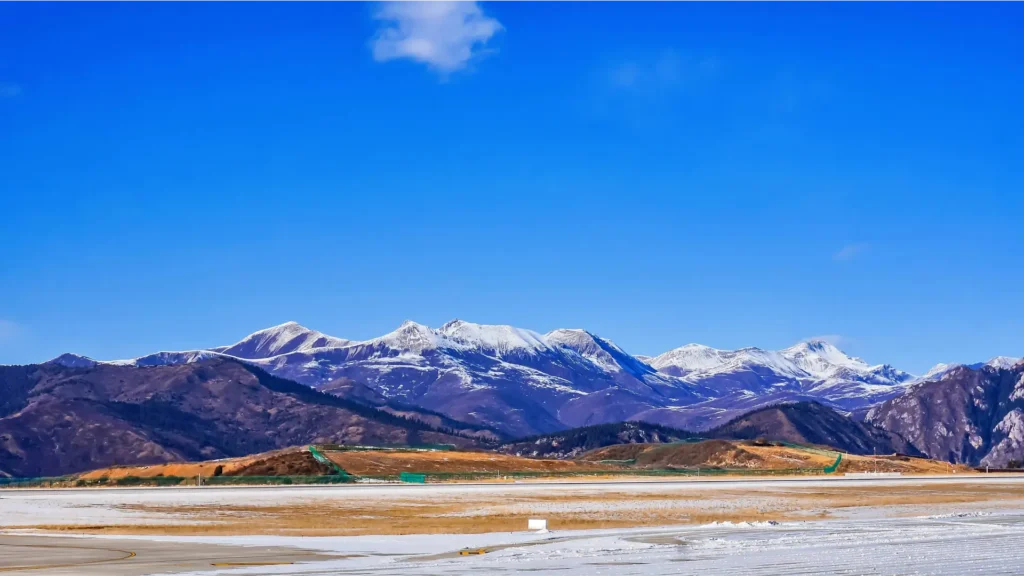
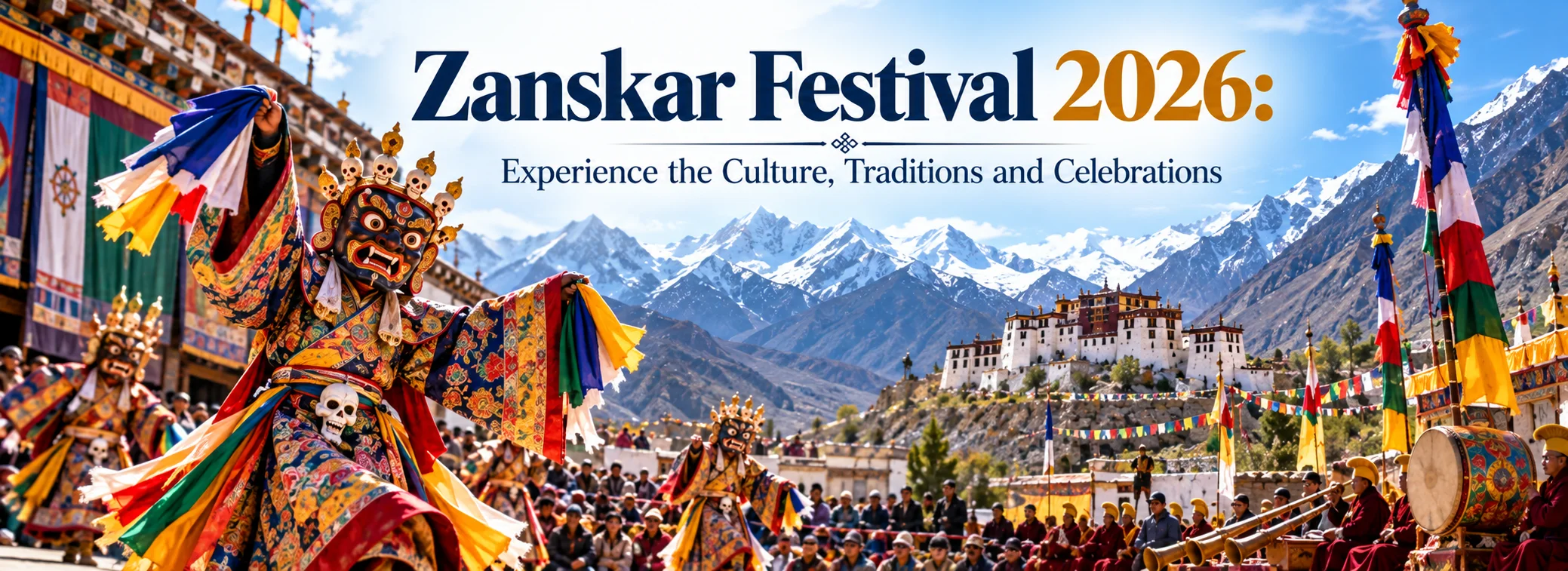
Far beyond the popular landscapes of Leh, Nubra and Pangong lies a region where Ladakh’s culture feels deeply connected to its mountains, monasteries and communities.
Zanskar.
Known for its dramatic Himalayan landscapes, ancient Buddhist heritage and remote mountain settlements, Zanskar offers travellers a very different perspective of Ladakh.
And in September 2026, this remarkable valley will become the centre of a major cultural celebration.
The Ladakh Zanskar Festival 2026 will take place on 15 and 16 September 2026 at Sani Lake in Zanskar. The event is being organised to showcase Zanskar’s culture, heritage and community spirit while welcoming visitors to the region.
For travellers, the festival is more than an event to photograph.
It is an opportunity to experience the music, dance, traditions, local food, crafts, sporting activities and hospitality of Zanskar in one spectacular Himalayan setting.
If you’re planning a Ladakh trip in September, here’s everything you should know about Zanskar Festival 2026.
Zanskar Festival 2026 at a Glance
| Detail | Information |
| Festival | Ladakh Zanskar Festival 2026 |
| Dates | 15–16 September 2026 |
| Venue | Sani Lake, Zanskar |
| Region | Zanskar, Ladakh |
| Season | September |
| Focus | Culture, heritage, traditions, tourism & community |
Experience Cultural performances, traditional arts, local traditions and regional experiences
The official Ladakh Administration confirmed that Sani Lake was finalised as the venue following a preparation meeting held on September 7, 2026. The administration also highlighted the importance of reflecting Zanskar’s cultural heritage and spirit during the festival.
What Makes Zanskar Festival Special?
Ladakh has several well-known festivals, but Zanskar offers something particularly distinctive.
The region has remained comparatively remote, allowing many traditional aspects of Zanskari life to remain closely connected with the local community.
The festival brings together:
- Traditional music
- Folk dances
- Cultural performances
- Traditional attire
- Local food
- Handicrafts
- Archery
- Horse and yak-related activities
- Community celebrations
- Zanskari hospitality
The Ministry of Tourism’s Incredible India portal describes the Zanskar Festival as a celebration of the valley’s living heritage, including Cham dances, traditional music, archery, yak and horse races, local crafts and cultural performances.
This makes the festival particularly interesting for travellers who want to experience Ladakh beyond its famous landscapes.
A Celebration of Zanskar's Living Culture
One of the most important aspects of the festival is its focus on living cultural traditions.
Zanskar is not simply a scenic destination.
Its identity has been shaped by generations of communities living among high-altitude mountains, monasteries, valleys and remote settlements.
During the festival, visitors can experience elements of this cultural identity through performances, traditional clothing, music, food and local craftsmanship.
Instead of simply seeing Zanskar from a tourist viewpoint, travellers get an opportunity to interact with its cultural landscape.
Traditional Music and Cultural Performances
- Traditional clothing
- Musical instruments
- Performers
- Community gatherings
- Cultural expressions
- Himalayan surroundings
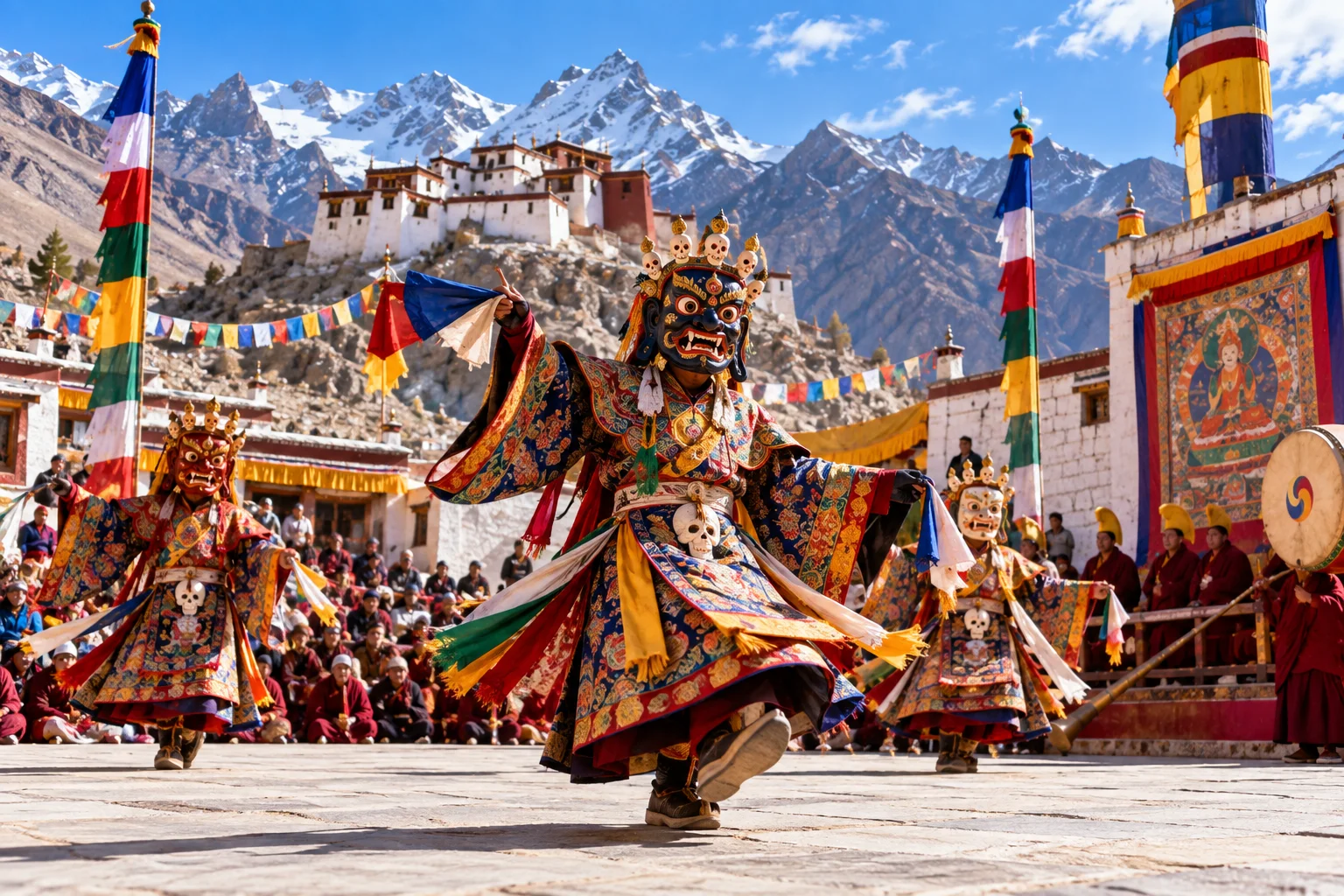
Experience Traditional Dance and Cham Performances
One of the most visually distinctive traditions associated with Ladakh is masked dance.
Cham dances are deeply connected with Buddhist monastic traditions and are more than simply colourful performances.
The Ministry of Tourism specifically identifies mask dances as one of the highlights associated with the Zanskar Festival.
The combination of elaborate masks, traditional robes, music and dramatic movements creates one of the most recognisable cultural experiences in the region.
Travellers interested in Buddhist culture should remember that some performances and rituals may have religious significance.
Observe respectfully, follow local instructions and avoid treating sacred practices simply as entertainment.
Traditional Sports and Archery
The festival also provides a glimpse into traditional sporting culture.
Archery is an important traditional activity across Ladakh and features prominently in regional celebrations.
Depending on the programme, visitors may also encounter horse- and yak-related activities.
These events bring together sport, tradition and community participation.
For travellers, they provide another way to understand the region beyond monasteries and landscapes.
Explore Zanskari Handicrafts
- Handmade products
- Traditional textiles
- Local crafts
- Decorative items
- Regional products
Taste the Flavours of Zanskar
A cultural experience is incomplete without food.
Zanskar’s cuisine reflects its Himalayan environment and local traditions.
During a festival, travellers may encounter regional dishes and traditional preparations that aren’t always part of standard tourist dining experiences.
Some Ladakhi foods travellers may come across include:
1. Momos: Popular throughout the Himalayan region, momos are steamed dumplings commonly served with a spicy or savoury accompaniment.
2. Thukpa: A warm noodle soup that is particularly comforting in the mountain environment.
3. Skyu: A traditional Ladakhi dish prepared using wheat-based dough pieces and vegetables.
4. Butter Tea: A traditional Himalayan beverage associated with Ladakhi and Tibetan food culture. Trying local food isn’t simply about tasting something new. It can be a way of connecting with the everyday culture of the region.
Why September Is a Great Time to Experience Zanskar?
September is an attractive period for travellers exploring Ladakh.
The intense summer travel season begins to wind down, while the landscapes can still offer excellent conditions for exploring many parts of the region.
More importantly, the Zanskar Festival gives travellers a specific cultural reason to visit during this period.
If you are already planning a Ladakh trip around mid-September, adding Zanskar to your itinerary can turn a standard sightseeing holiday into a much more immersive cultural journey.
Sani Lake: The 2026 Festival Venue
The 2026 festival venue is Sani Lake, which has been officially finalised by the Zanskar administration.
Sani is also associated with the historic Sani Monastery, one of the important Buddhist sites in Zanskar.
The combination of the festival setting and the surrounding Himalayan landscape makes the area particularly attractive for visitors interested in culture and photography.
When visiting the venue, travellers should follow local instructions regarding:
- Parking
- Entry
- Photography
- Waste disposal
- Traffic
- Restricted areas
- Religious spaces
Things to See Around Zanskar
Don’t make the mistake of travelling all the way to Zanskar only for the festival.
The region deserves time to explore.
1. Sani Monastery
- Located near the festival venue, Sani Monastery is an important cultural and religious site.
- Its distinctive setting makes it worth including in a Zanskar itinerary.
2. Padum
- Padum is the administrative and cultural centre of Zanskar and a practical base for exploring the region.
- Spend some time experiencing the town rather than treating it only as a transit point.
3. Karsha Monastery
- Karsha is one of the most significant monasteries in Zanskar.
- Its elevated location also provides impressive views across the surrounding valley.
4. Zangla
Zangla is known for its historic fort and spectacular mountain setting.
It provides another opportunity to experience Zanskar’s history and landscape.
5. Phuktal Monastery
One of the most dramatic monastic sites in the region, Phuktal is built into a natural rock formation.
Reaching it requires a trek, making the journey part of the experience.
Zanskar Festival + Adventure
- Mountain roads
- Trekking routes
- Remote villages
- River valleys
- Monasteries
- High-altitude landscapes
- Photography locations
- Offbeat Himalayan routes
How to Reach Zanskar for the Festival
Planning transportation is one of the most important parts of a Zanskar trip.
Zanskar is remote, and travel times can be considerably longer than they appear on a map.
1. From Leh
- Travellers can reach Zanskar by road as part of a larger Ladakh itinerary.
- A common approach is to travel through the Kargil side and continue toward the Zanskar region.
2. From Kargil
- Kargil is another important access point for road journeys toward Zanskar.
- Road conditions, weather and local regulations can affect journey times.
3. By Air
- There is no major commercial airport in Zanskar itself.
- The nearest major airport for most travellers flying into Ladakh is Kushok Bakula Rimpochee Airport in Leh. The Incredible India portal lists Leh as the nearest airport for the Zanskar Festival.
From Leh, travellers need to continue by road.
How Many Days Should You Spend in Zanskar?
For the festival alone, two days cover the official event.
However, a longer stay is much better.
For a meaningful Zanskar experience, consider spending approximately:
1. 3 Days: Good for travellers mainly interested in the festival and nearby attractions.
2. 4–5 Days: Better for combining:
- Festival
- Padum
- Monasteries
- Villages
- Scenic drives
3. 5–7 Days: Ideal if you want to explore Zanskar at a slower pace and include trekking or additional remote attractions.
Suggested Zanskar Festival Itinerary
Day 1 — Arrive in Zanskar
- Arrive in the Zanskar region and settle into your accommodation.
- Keep the day relatively relaxed.
- Use the evening to explore the local surroundings and prepare for the festival.
Day 2 — Zanskar Festival
Dedicate the day to the festival.
Experience:
- Cultural performances
- Traditional music
- Local food
- Crafts
- Traditional sports
- Community celebrations
Take your time rather than trying to photograph everything.
Day 3 — Festival + Local Exploration
- Continue exploring festival activities before visiting nearby cultural attractions.
- Depending on the official programme, timing and local conditions, you can also explore Sani and surrounding areas.
Day 4 — Monasteries & Valley Exploration
Visit places such as:
- Karsha
- Padum
- Zangla
Enjoy the surrounding landscapes and local villages.
Day 5 — Extended Zanskar Experience
- If your schedule allows, continue toward another attraction or begin your onward journey.
- Travellers interested in trekking can extend their itinerary further.
What to Carry for Zanskar Festival 2026?
Zanskar is a high-altitude Himalayan destination, so packing should be practical rather than fashionable.
Carry:
- Warm Layers: Temperatures can change considerably during the day.
- Comfortable Shoes: You may spend several hours walking or standing.
- Sunglasses: Strong sunlight at high altitude can be uncomfortable.
- Sunscreen: UV exposure can be intense in mountain environments.
- Water Bottle: Carry reusable water wherever practical.
- Basic Medicines: Carry your regular essentials and any personal medication you may need.
- Power Bank: Remote areas may have limited charging access.
- Camera: You will definitely want one. But remember to photograph people and religious activities respectfully.
High-Altitude Travel Tips for Zanskar
If you are coming directly from lower elevations, don’t underestimate the altitude.
Give your body time to adjust.
For a comfortable journey:
- Stay hydrated.
- Avoid rushing your itinerary.
- Get adequate rest.
- Avoid unnecessary strenuous activity immediately after arrival.
- Listen to your body.
- Follow local and medical advice if you experience significant altitude-related symptoms.
A well-paced itinerary is usually much more enjoyable than trying to cover too much in a short time.
Responsible Tourism During Zanskar Festival
The popularity of destinations like Zanskar can bring both opportunities and challenges.
As a traveller, small choices matter.
- Respect Local Culture: Not every ritual or ceremony is a tourist attraction. Observe respectfully.
- Ask Before Photographing People: Especially elders, monks and children.
- Avoid Plastic Waste: Carry reusable bottles and bags.
- Don’t Litter: The fragile Himalayan environment deserves special care.
- Respect Monasteries: Dress appropriately and follow photography restrictions.
- Support Local Businesses: Choose local homestays, guides, restaurants, artisans and transport providers where possible.
Responsible tourism helps ensure that cultural festivals remain meaningful for local communities.
Why Zanskar Should Be on Your 2026 Ladakh Travel List?
There are plenty of reasons to visit Ladakh.
But Zanskar offers something different.
It combines:
Ancient culture, Remote Himalayan landscapes, Buddhist heritage, Traditional community life, Adventure, Local hospitality
And the Zanskar Festival brings many of these experiences together.
The 2026 edition is particularly significant because the Zanskar administration has described it as the first grand celebration in the region following its declaration as a new district.
That makes this more than just another festival on the Ladakh calendar.
It represents an important moment for Zanskar and its growing identity as a destination.
Zanskar Festival vs Other Ladakh Festivals
Ladakh hosts many cultural celebrations throughout the year.
What makes Zanskar different is its combination of remote geography and distinctive regional culture.
The official Incredible India description highlights Zanskar’s traditional music, dances, mask performances, archery, horse and yak races, food and crafts.
For travellers who have already experienced Leh’s more established tourist circuit, Zanskar can offer a deeper offbeat experience.
Frequently Asked Questions
The Ladakh Zanskar Festival 2026 is scheduled for 15 and 16 September 2026.
The 2026 festival venue is Sani Lake in Zanskar.
Visitors can experience traditional music, cultural performances, dances, local food, handicrafts, archery and other regional activities. The official tourism portal also highlights yak and horse races and mask dances.
Most travellers reach Zanskar by road as part of a larger Ladakh or Kargil itinerary. If flying into Ladakh, the nearest major airport is Leh's Kushok Bakula Rimpochee Airport, followed by a road journey.
September can be an excellent time to combine a Zanskar trip with the festival, particularly for travellers interested in cultural experiences and Himalayan landscapes.
Yes, but the journey requires more planning than visiting the standard Leh circuit because Zanskar is remote and travel times can be long.
Two days cover the festival itself, but 4–5 days or more gives you considerably more time to explore the valley and nearby cultural attractions.
Dress in layers, carry warm clothing and wear comfortable walking shoes. Mountain weather can change quickly.
Photography is generally an important part of the travel experience, but always follow local instructions and ask permission before photographing individuals or religious activities.
Plan Your Zanskar Festival 2026 Journey
The Zanskar Festival 2026 is an invitation to experience a side of Ladakh that goes beyond scenic viewpoints and popular tourist routes.
From traditional performances and local food to monasteries, mountain valleys and community celebrations, the festival offers a chance to experience Zanskar as a living cultural landscape.
With the event scheduled for 15–16 September 2026 at Sani Lake, travellers planning a September Ladakh trip should consider building Zanskar into their itinerary.
Because Zanskar is remote, advance planning is important—especially for transportation and accommodation.
And once you arrive, don’t rush.
Slow down.
Look beyond the mountains.
Listen to the music.
Taste the local food.
Meet the people.
And experience Zanskar not simply as a destination, but as a culture.
Planning your Ladakh adventure? Explore Zanskar with Leh Ladakh Journey and make the Zanskar Festival 2026 part of your Himalayan experience.