Monasteries of Ladakh
- Home
- Monasteries of Ladakh
Monasteries of Ladakh
Ladakh is not only famous for its mountains, lakes, and road trips but also for its centuries-old monasteries that reflect the deep spiritual and cultural roots of the region.
Often called the “Land of Lamas,” Ladakh is home to more than 30 major Buddhist monasteries (Gompas), many of which are located on hilltops, cliffs, and remote valleys overlooking stunning Himalayan landscapes.
These monasteries are not just religious centers but also:
- Cultural heritage sites
- Centers of Buddhist learning
- Meditation spaces
- Festival hubs
- Architectural landmarks
Influenced largely by Tibetan Buddhism, the monasteries of Ladakh showcase ancient murals, prayer halls, thangka paintings, statues of Buddha, and manuscripts preserved for centuries.
Visiting these monasteries offers travelers a chance to experience Ladakh’s spiritual life, monastic traditions, and peaceful environment.
Importance of Monasteries in Ladakh
Monasteries play a vital role in Ladakhi society.
They serve as:
- Religious institutions
- Educational centers for monks
- Community gathering places
- Cultural preservation hubs
Young monks receive training in Buddhist philosophy, meditation, rituals, and scriptures inside these monasteries.
Most monasteries belong to different sects of Tibetan Buddhism such as:
- Gelugpa (Yellow Hat sect)
- Drukpa
- Kagyu
- Nyingma
Each monastery reflects the traditions of its sect through rituals, architecture, and festivals.
Architecture of Ladakh Monasteries
Monasteries in Ladakh are usually built at high elevations.
Common architectural features include:
- Hilltop or cliffside locations
- Whitewashed walls
- Red & ochre prayer halls
- Golden rooftops
- Prayer wheels
- Assembly halls (Dukhang)
- Residential monk quarters
Their elevated location was historically chosen for:
- Defense
- Isolation for meditation
- Multi-cuisine food
- Panoramic valley views
Major Monasteries of Ladakh
Below are the most famous monasteries that travelers visit during a Ladakh trip.
1. Hemis Monastery
Hemis Monastery is the largest and richest monastery in Ladakh. It belongs to the Drukpa lineage of Tibetan Buddhism.
Located around 45 km from Leh, Hemis is famous for its annual Hemis Festival, which celebrates the birth anniversary of Guru Padmasambhava.
Key highlights:
- Giant thangka paintings
- Gold statues
- Ancient relics
- Mask dance performances
The monastery is surrounded by mountains and offers a peaceful spiritual environment.
2. Thiksey Monastery
Thiksey Monastery is one of the most beautiful monasteries in Ladakh, located around 19 km from Leh.
Built on a hilltop, it resembles the Potala Palace of Lhasa (Tibet).
Major attractions:
- 12-storey structure
- 49 ft tall Maitreya Buddha statue
- Prayer halls
- Monastic school
Sunrise views from Thiksey are especially popular among photographers.
3. Diskit Monastery
Diskit Monastery is the oldest and largest monastery in Nubra Valley.
Founded in the 14th century, it belongs to the Gelugpa sect.
Key features:
- 32-meter Maitreya Buddha statue
- Hilltop location
- Panoramic detailed views of Nubra Valley
- Ancient murals & scriptures
It is one of the most visited monasteries in Ladakh’s northern region.
4. Lamayuru Monastery
Lamayuru Monastery is one of the oldest monasteries in Ladakh, dating back to the 11th century.
It is located on the Leh–Kargil highway and is famous for its surrounding “Moonland” landscape — a terrain that resembles the surface of the moon.
Key highlights:
- Ancient caves
- Meditation halls
- Annual Yuru Kabgyat festival
The dramatic landscape makes it visually unique among Ladakh monasteries.
5. Alchi Monastery
Alchi Monastery is one of the most culturally significant monasteries in Ladakh.
Unlike others, it is built on flat ground rather than a hilltop.
Built in the 11th century, Alchi is famous for:
- Kashmiri-influenced art
- Wall frescoes
- Wooden carvings
- Ancient manuscripts
It is considered a heritage monastery and an important center of Buddhist art.
6. Spituk Monastery
Located just 8 km from Leh, Spituk Monastery offers easy accessibility and beautiful views of the Indus Valley.
It houses:
- Ancient weapons
- Thangka paintings
- Kali statue (unveiled during festival)
The Spituk Festival held annually attracts many visitors.
7. Phyang Monastery
Situated around 16 km from Leh, Phyang Monastery belongs to the Drikung Kagyu sect.
Key attractions:
- Museum of rare artifacts
- Ancient weapons & idols
- Phyang Tsedup Festival
Its peaceful setting makes it ideal for spiritual visits.
8. Shey Monastery & Palace
Located near Leh, Shey Monastery was once the summer capital of Ladakh kings.
Highlights include:
- Giant copper Buddha statue
- Palace ruins
- Phyang Tsedup Festival
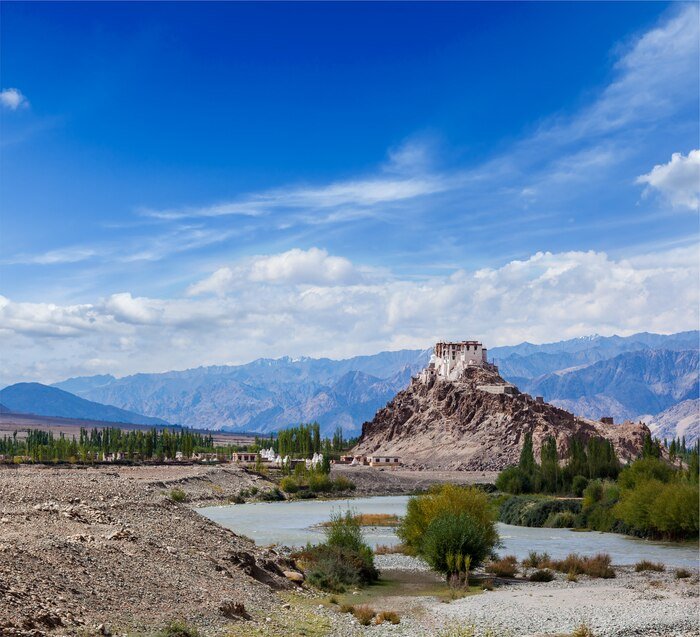
9. Stakna Monastery
Stakna means “Tiger’s Nose” due to its hill shape.
Located along the Indus River, it offers:
- River valley views
- Quiet meditation atmosphere
- Traditional monastic life
Festivals Celebrated in Ladakh Monasteries
Monastery festivals are vibrant cultural events featuring masked dances, rituals, and music.
Major festivals include:
- Hemis Festival
- Dosmoche Festival
- Spituk Gustor
- Phyang Tsedup
- Lamayuru Festival
These festivals symbolize victory of good over evil and attract tourists globally.
Monastery Etiquette for Visitors
Travelers should follow respectful behavior:
- Remove shoes before prayer halls
- Avoid loud talking
- Seek permission before photography
- Dress modestly
- Do not touch sacred items
More Famous Monasteries of Ladakh
Apart from the major monasteries covered earlier, Ladakh is home to several other important gompas that reflect deep spiritual heritage and unique Himalayan architecture.
Likir Monastery
Likir Monastery is located around 52 km from Leh on the Leh–Kargil highway. It belongs to the Gelugpa sect of Tibetan Buddhism.
The monastery is famous for its large outdoor statue of Maitreya Buddha seated on a hill overlooking the valley.
Key highlights:
- 75 ft golden Buddha statue
- Ancient manuscripts
- Old thangka paintings
- Peaceful hilltop setting
The monastery also houses a museum displaying ceremonial robes and artifacts.
Rizong Monastery
Rizong Monastery is known as one of the most secluded monasteries in Ladakh. Located about 73 km from Leh, it is often called the “Paradise for Meditation.” Unlike other monasteries, Rizong follows very strict monastic discipline.
Key features:
- Isolated mountain setting
- Meditation caves
- No modern distractions
- Peaceful environment
Nearby, there is also a nunnery called Jelichun Nunnery where Buddhist nuns reside.
Basgo Monastery
Basgo Monastery is located west of Leh and is known for its historical ruins and fortress remains.
The site once served as an important political center during Ladakhi kings’ rule.
Highlights include:
- Ancient fort ruins
- Maitreya Buddha statue
- Wall paintings
- Royal palace remains
The dramatic mud-brick structures make Basgo visually distinctive.
Matho Monastery
Matho Monastery lies around 26 km from Leh and belongs to the Sakya sect of Tibetan Buddhism.
It is famous for the annual Matho Nagrang Festival, where monks perform masked dances and spiritual rituals.
Key attractions:
- Oracle monks
- Festival mask dances
- Hilltop views
- Traditional prayer halls
Takthok Monastery
Takthok Monastery is located near Sakti village on the route to Pangong Lake.
The word “Takthok” means “Rock Roof,” as the monastery is built inside a cave.
Highlights:
- Cave temple
- Meditation chambers
- Guru Padmasambhava connection
It is the only monastery in Ladakh belonging to the Nyingma sect.
Stongdey Monastery
Located in Zanskar Valley, Stongdey Monastery is the second-largest monastery in the region after Karsha.
It sits atop a hill offering panoramic views of Zanskar landscapes.
Key features:
- Assembly halls
- Colorful murals
- Annual Gustor Festival
Hidden & Lesser-Known Monasteries
Travelers seeking offbeat spiritual experiences can explore smaller monasteries:
Mangyu Monastery
Chemrey Monastery
Wanla Monastery
Mulbekh Monastery
Sankar Monastery
These gompas are less crowded and ideal for peaceful exploration.
Monastery Stay Experience
Some monasteries allow travelers to stay overnight for spiritual immersion.
Stay experience includes:
- Monk meals
- Prayer sessions
- Meditation time
- Silence discipline
This is ideal for travelers seeking peace and self-reflection.
Meditation & Spiritual Retreats
Ladakh monasteries also host meditation retreats and Buddhist learning programs.
Activities include:
- Vipassana meditation
- Buddhist philosophy sessions
- Yoga retreats
- Silence retreats
These programs attract global spiritual seekers.
Photography at Monasteries
Monasteries offer stunning photography opportunities.
Best subjects include:
- Prayer wheels
- Monk portraits
- Festival dances
- Mountain backdrops
- Sunrise monastery views
Drone photography may require special permission.
Best Time to Visit Monasteries
Summer (May – September) is ideal due to:
- Accessible roads
- Festival celebrations
- Pleasant weather
Winter visits offer snow-covered monastery views but travel becomes difficult.
Travel Tips for Monastery Visits
- Start early from Leh.
- Combine monasteries in circuits.
- Carry water & snacks.
- Respect monk routines.
- Attend morning prayers if possible.
- Avoid peak afternoon crowds.
Frequently Asked Questions
Over 30 major monasteries exist across Ladakh.
Hemis Monastery.
Thiksey Monastery.
Yes, most are open daily.