Top 5 Compelling Reasons Ladakh Should Be Your Next Adventure
If you’ve been dreaming of a destination that feels otherworldly—raw mountains, sapphire lakes, ancient monasteries, and roads that kiss the sky— Ladakh is calling. From Pangong’s shifting shades of blue to Nubra’s apricot orchards and sand dunes, every turn here is a postcard. In this guide, Leh Ladakh Journey your trusted local travel DMC breaks down the top five compelling reasons Ladakh should be your next adventure—and exactly how to experience it right. Expect practical tips, route ideas, and expert insights so you can plan with confidence.
Why travel with Leh Ladakh Journey?
We’re a local destination management company crafting safe, well-paced, and fully customized Ladakh trips—private cabs/bikes, verified stays, acclimatization-friendly itineraries, and on-ground support from Leh-based experts.
Who We Are: Leh Ladakh Journey
International views, local execution. That’s our promise. With on-ground operations, vetted drivers, oxygen support on key routes, and handpicked stays near major sights, we ensure you explore Ladakh comfortably and responsibly. Whether you’re a solo rider, a family, or a corporate group, our team aligns your dates, acclimatization windows, and permits—so you just show up and soak in the views.
What we handle for you: itinerary design, Inner Line Permits (ILP), bikes/4×4 vehicles, boutique stays, monastery festival slots, rafting/trek logistics, and offbeat photo-stop planning.
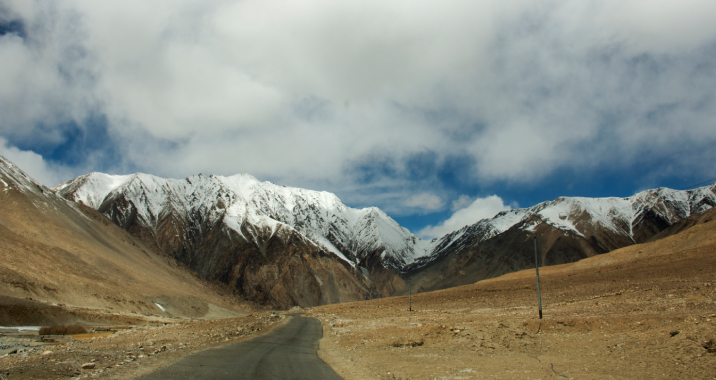
Reason #1: Iconic High-Altitude Landscapes & Passes
Ladakh is a living geology book— serpentine roads, wind-sculpted mountains, hanging glaciers, and moonscapes that shift with light. The sensation of crossing a 17,000–18,000 ft pass is surreal—and surprisingly accessible with a well-planned itinerary.
Unmissable Passes & Drives- Khardung La (≈17,982 ft): Gateway to Nubra Valley — a thrilling drive with views of Stok Kangri and Zanskar ranges.
- Chang La (≈17,586 ft): Your dramatic approach to Pangong Tso.
- Taglang La (≈17,480 ft): On the Manali–Leh Highway — ruddy ridges, wide valleys, and near-constant “wow” moments.
- Fotu La & Namika La: On the Srinagar–Leh route—photographer favorites for golden hour.
Best months for these drives: May to September (weather stable, roads open). Early June and late September often mean lighter crowds.
Pro Tips (from our tour leaders):- Plan Leh 2 nights for acclimatization before high passes.
- Carry warm layers even in summer—windchill is real at the top.
- For bikers, we arrange backup vehicles, mechanics, and puncture support across long stretches.
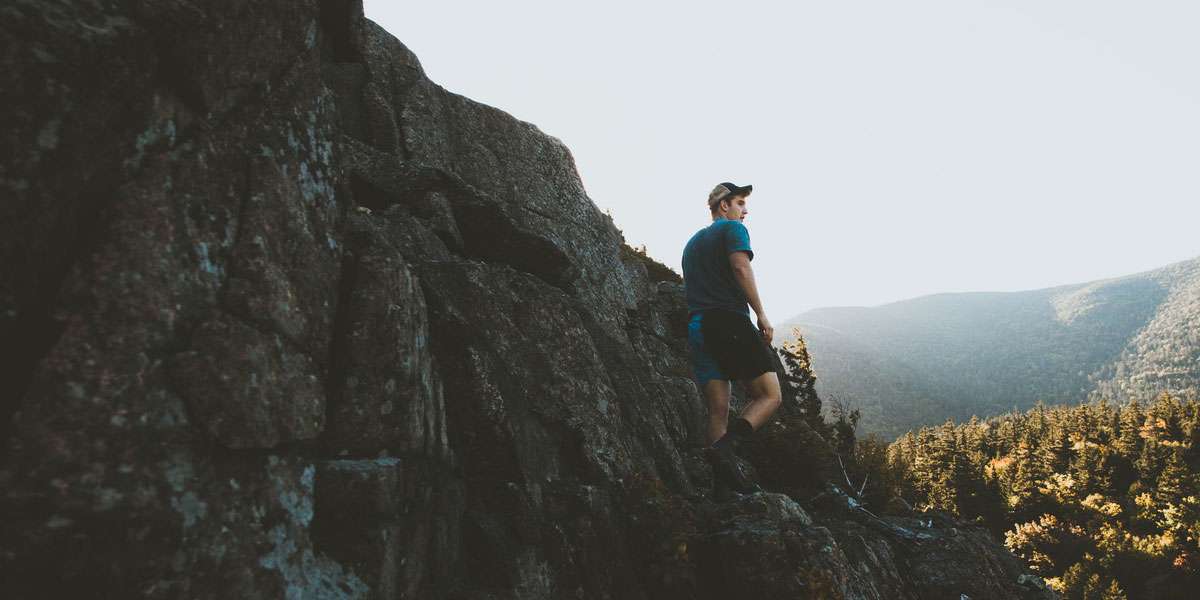
Reason #2: Sapphire Lakes—Pangong, Tso Moriri & Tso Kar
Few places on Earth rival the drama of Ladakh’s lakes. Their colors shift with the sun—from slate to electric blue to a rare turquoise.
Pangong Tso (≈4,350 m)The celebrity of Ladakh— 134 km long, stretching into Tibet. Sunrise paints the mountains rose-gold while the lake glows blue. Stay in Spangmik, Man, or Merak for quieter shores.
Tso Moriri (Korzok, Changthang Plateau)A Ramsar site with mirror-still water and a profound silence you’ll remember for years. Great for birdwatching (black-necked cranes in season) and pristine night skies.
Tso Kar (High-altitude salt lake)Part of the Tso Kar–Tso Moriri circuit; stark, cinematic, and often dotted with wild kiang (Tibetan wild asses). Perfect for photographers and those chasing serenity
How we design lake days (the Leh Ladakh Journey way):- Pangong loop via Chang La, night at lakeside camps/cottages with heated dining tents, then onward to Nubra via Shyok (road conditions permitting) to avoid backtracking.
- Tso Moriri circuit paired with Hanle’s dark skies (permit-dependent), then back via Tso Kar & Taglang La, minimizing altitude jumps.
Best months: June to September (roads open, comfortable nights). October is photogenic but chilly; winter is stunning but requires special prep.
Reason #3: Adventure Playground—Treks, Rafting & 4×4 Safaris
If your heart races at the thought of trails, rapids, and remote valleys, Ladakh delivers.
If your heart races at the thought of trails, rapids, and remote valleys, Ladakh delivers.- Sham Valley Trek (Easy–Moderate): Lower altitude, village stays, apricot orchards—great starter trek.
- Markha Valley Trek (Moderate): Hemis National Park trails, river crossings, high camp views—classic Ladakh.
- Lamayuru to Chilling (Moderate): Moonland landscapes of Lamayuru paired with Zanskar vistas.
- Chadar Trek (Seasonal/Jan–Feb): On the frozen Zanskar River —requires special fitness and safety protocols; we only operate with veteran guides, strict weather windows, and contingency planning.
Safety first: Our itineraries build in acclimatization, daily vitals checks, and evacuation protocols. Treks are supported by certified guides, high-altitude equipment, and oxygen support where needed.
White-Water Rafting (Seasonal)- Zanskar (Grade III–IV): Through high gorges—adrenaline with jaw-dropping canyon walls.
- Indus (Grade II–III): Scenic, family-friendly stretches.
All rafting departures are weather- and flow-dependent; we kit you with IS-compliant safety gear and experienced river leaders.
Overland Safaris & Biking- Nubra–Turtuk–Thang: India’s northern edge, with Balti culture and dramatic views toward the Karakoram.
- Hanle–Nyoma–Loma (permits required): Vast Changthang plains, wildlife spotting, and astrophotography opportunities.
- Guided Bike Expeditions: 500–1,600 km loops with backup vehicle, fuel planning, and route doctors on select departures.
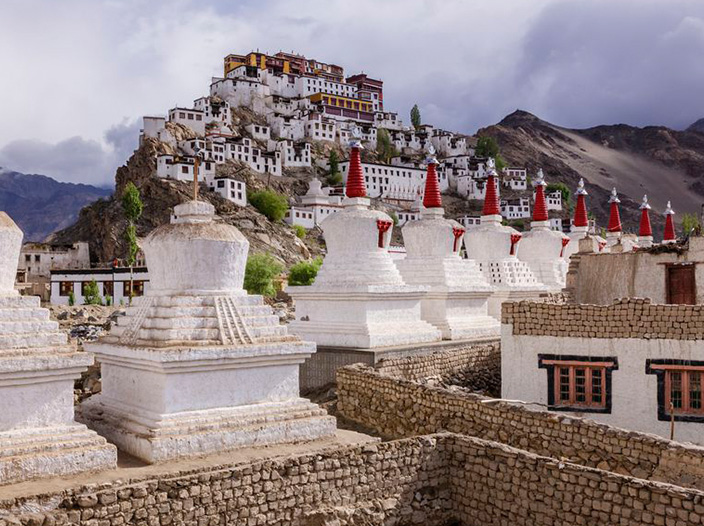
Reason #4: Living Buddhist Heritage – Monasteries, Art & Architecture
Beyond its stark landscapes, Ladakh is a cradle of Tibetan Buddhism. Monasteries crown hilltops, prayer wheels line dusty lanes, and butter lamps glow in cavernous assembly halls.
Must-Visit Monasteries- Thiksey Monastery: Known as “Mini Potala Palace,” with a 49-ft Maitreya Buddha statue.
- Hemis Monastery: The wealthiest in Ladakh, famed for its annual masked dance festival.
- Diskit Monastery (Nubra): Guarded by a giant Maitreya statue overlooking the valley.
- Spituk Monastery: Ideal for sunsets and river views near Leh.
- Murals & Thankas: Vivid depictions of Buddhist deities and cosmic maps.
- Monastic Schools: Where young lamas study scriptures.
- Daily Rituals: Morning prayers (pujas) with horns, drums, and chants—an immersive experience we often align itineraries with.
Leh Ladakh Journey touch: We design routes so you can attend morning pujas or evening prayer ceremonies at monasteries without rushing. Our guides help interpret symbols, history, and living traditions.
Reason #5: Monastic Festivals, Food & Culture
Ladakh isn’t just mountains—it’s living culture that blends Tibetan, Indian, and Central Asian influences.
Monastic Festivals (Hemis, Matho, Dosmoche)- Cham dances with masks and colorful robes.
- Local fairs with crafts, butter sculptures, and traditional food.
- Storytelling through ritual drama—good vs evil themes.
- Momos & Thukpa: Tibetan dumplings and noodle soup, warm comfort in the cold.
- Skyu: Traditional Ladakhi pasta dish.
- Butter Tea (Gur Gur Chai): An acquired taste but a must-try.
- Apricot-based treats: Jams, juices, and dried fruits from Nubra.
Staying in homestays in villages like Hemis Shukpachan or Turtuk offers real insights—farm life, apricot harvesting, and Ladakhi hospitality.
At Leh Ladakh Journey, we integrate festival calendars into trip planning and ensure ethical participation—supporting local artisans, not just consuming the spectacle.
Best Time to Visit Ladakh (By Travel Style)- May–June: Best for snow-capped passes & spring bloom.
- July–September: Warm, accessible roads, ideal for treks and lakes.
- October: Crisp skies, golden valleys—less crowded.
- Winter (Nov–Feb): Frozen lakes, Chadar trek, monasteries in snow (for adventure-seekers).
With Leh Ladakh Journey, we adjust itineraries by seasonal highlights —rafting in July, festivals in June/July, astro trips in winter.
Permits, Health & Responsible Travel Tips- Inner Line Permits (ILPs): Needed for Pangong, Nubra, Hanle, Tso Moriri. We arrange them seamlessly.
- Acclimatization: Always spend 2 nights in Leh before moving higher. We schedule gradual ascents.
- Responsible Travel: Carry refill bottles, respect monasteries’ photography rules, avoid single-use plastics.
- Health: Ladakh is high-altitude—our trips include 24×7 on-ground support, oxygen cylinders on long routes, and experienced drivers for mountain roads.
Classic 6D Leh–Nubra–Pangong
- Day 1–2: Acclimatize in Leh (Shey, Thiksey, Leh Palace)
- Day 3–4: Nubra Valley via Khardung La (Diskit, Hunder dunes, Turtuk option)
- Day 5: Pangong via Shyok (sunrise at the lake)
- Day 6: Return to Leh, fly out
Extended 8D Adventure + Lakes
- Day 1–2: Leh acclimatization + monasteries
- Day 3: Rafting on Zanskar, local market walk
- Day 4–5: Nubra + Turtuk
- Day 6: Pangong (overnight)
- Day 7: Tso Moriri via Chumathang hot springs
- Day 8: Leh departure
FAQs: Planning a Ladakh Trip
Conclusion & CTA
Ladakh is more than a destination—it’s a transformative journey. From trekking Himalayan trails and watching reflections on sapphire lakes to spinning prayer wheels at monasteries and joining in vibrant Cham dances, the region imprints itself on your soul.
At Leh Ladakh Journey, we don’t just sell packages—we craft journeys that balance adventure, culture, and comfort. With on-ground support, curated itineraries, and insider tips, your Ladakh trip will be not only breathtaking but also safe and seamless.
About Us...
Leh Ladakh Journey is one of the most famous tour operators of Leh in the region Ladakh. It is the first choice of people who love going out for adventurous tours. For a true bike rider nothing is greater than hearing the thump of motor bikes in mountains.
Read MoreLatest Blogs

10 Stunning Lakes to Visit During Your Ladakh Bike Trip
Read More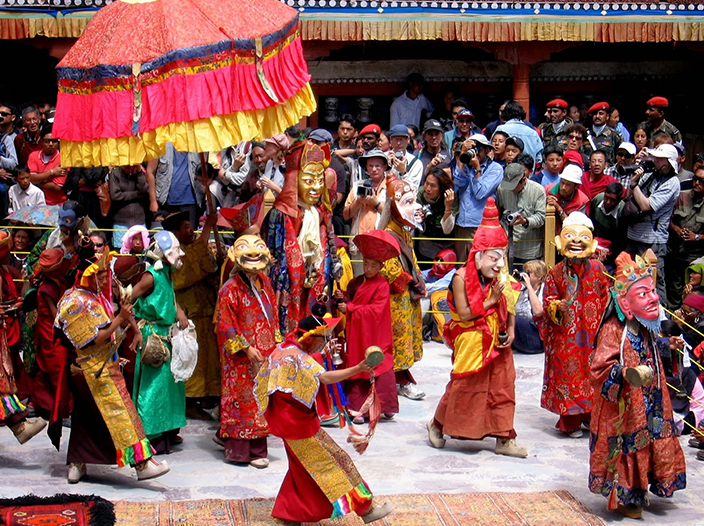
Hemis Festival 2025: Ladakh’s Most Colorful Celebration of Faith and Culture
Read More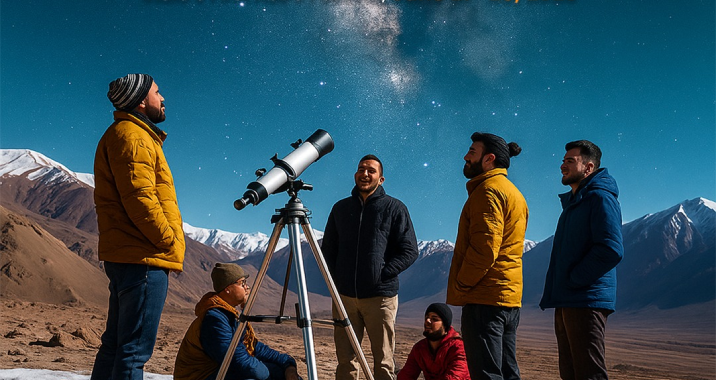
Hanle Astro Festival 2025: India’s First Astro Festival in the Land of Lamas
Read More
Ladakh Festival 2025 – Celebrate the Spirit of Leh (21–24 September)
Read More

